

Barcelona is the vibrant and captivating capital city of Catalonia located in the north-eastern region of Spain, along the picturesque Mediterranean coast. Renowned for its rich history, stunning architecture, and a unique blend of modernity and tradition, our one day in Barcelona walking itinerary offers a perfect introduction to this must-visit European city.
Discover the best of this vast city on foot with our one day in Barcelona walking itinerary. In one day, we explored the landmarks and alleyways of the Old Gothic Quarter, marvelled at the modernist wonders of Gaudí’s architecture and experienced local culture and cuisine in La Boqueria market.
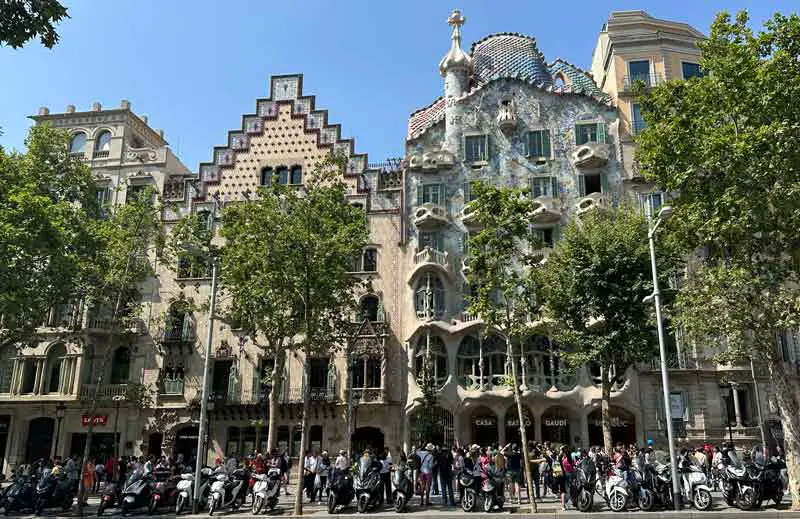
Our one day in Barcelona walking itinerary ensures you won’t miss out on the city’s most iconic landmarks and provides a true taste of Barcelona’s culture, architecture, and vibrant street life. So, lace up your walking shoes and get ready to uncover the heart of this magnificent city in just one day!
Tried and Tested One Day in Barcelona Walking Itinerary
The beautiful and enchanting city of Barcelona has a rich architectural legacy and is home to nine impressive UNESCO World Heritage Sites. Our day-long exploration of the city led us on a remarkable 18-kilometer journey through its historic streets, allowing us to immerse ourselves in the authentic tapestry of Barcelona’s cultural and architectural heritage.
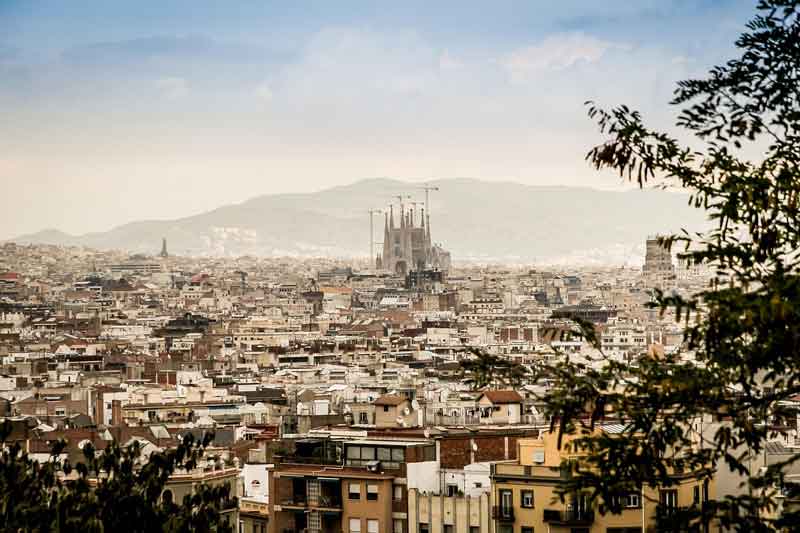
Whilst our steps couldn’t cover every enchanting corner of this captivating city, our one day in Barcelona walking itinerary served as a wonderful introduction to its historic gems and vibrant atmosphere.
1. Barcelona from Cruise Port: Moll Adossat Terminals
Our one day in Barcelona started at the cruise port (Moll Adossat terminals) as Barcelona was the last destination on our MSC World Europa cruise.
To reach Barcelona from the cruise terminal, we chose to walk. It took about 50 minutes to arrive at the Christopher Columbus Monument that is located at the port end of Las Ramblas (one of the main streets in Barcelona).
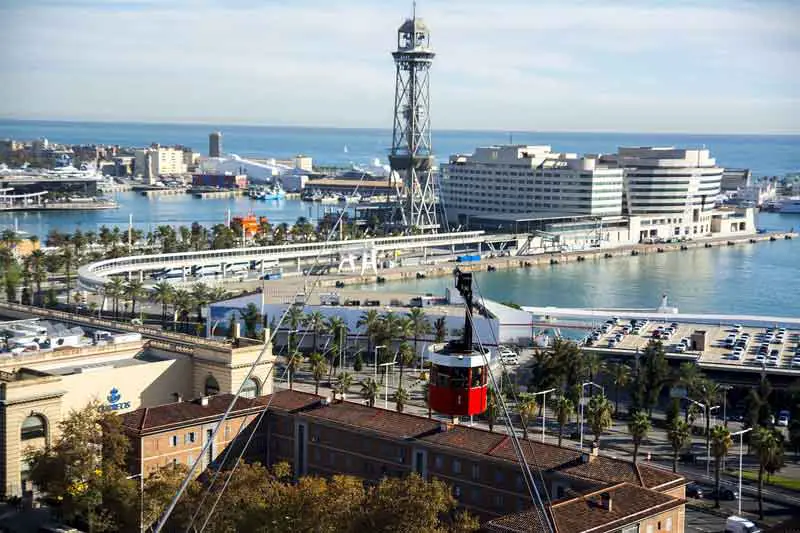
For the return journey, we took the blue Cruise Bus Barcelona that connects the Portal de la Pau in front of the World Trade Center Barcelona with the Moll Adossat cruise terminals A, B, C, D & E. This location is approximately a 7-minute walk from the Christopher Columbus Monument.
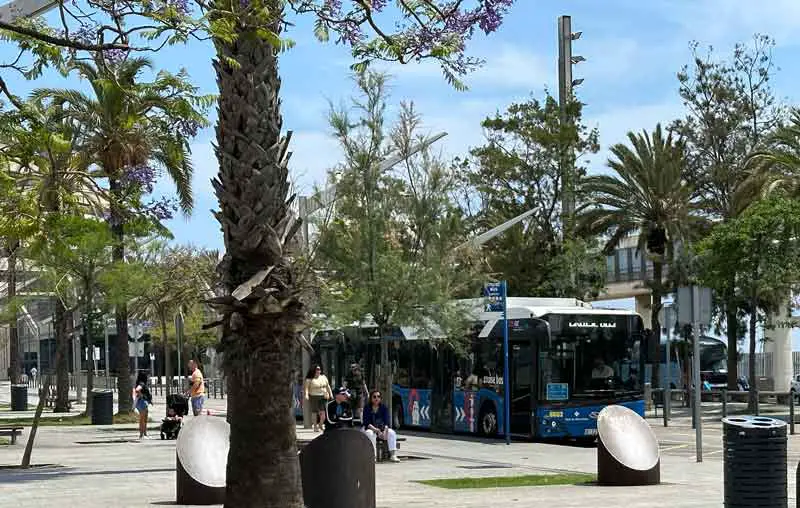
A one-way ticket on the Cruise Bus Barcelona was 3 Euros (4.50 Euros for a day return ticket) which was much cheaper than the cruise operated transfer coach that picks up and drops off at the same location.
2. Christopher Columbus Monument, Barcelona (Mirador de Colom)
The Christopher Columbus Monument is a 60-meter-high column that was erected for the 1888 Barcelona World Fair to honour the famous explorer.
This bronze statue is located at the bottom of Barcelona’s Las Ramblas street on the spot where Columbus returned to Spain after his first voyage to the Americas. We enjoyed looking at the intricate details on the exterior of the Christopher Columbus monument for free.
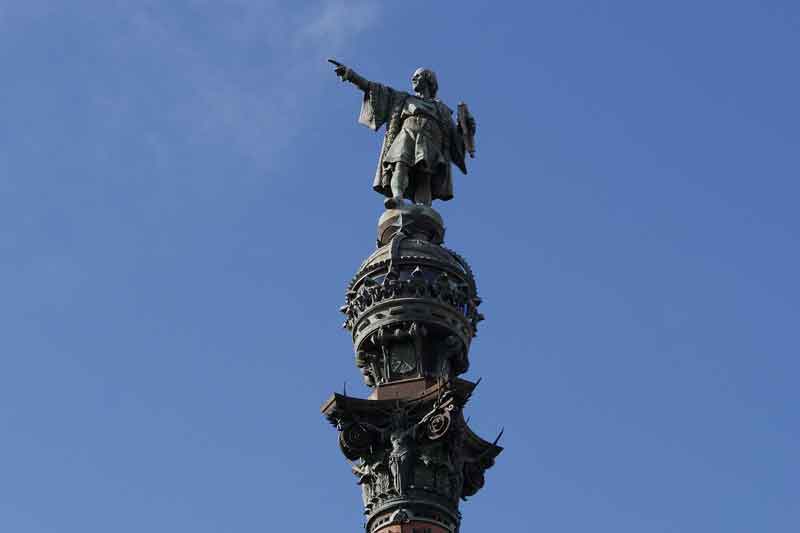
However, if you are not afraid of heights the column hides a secret! At the top of the Christopher Columbus monument is a viewing platform that is accessible by lift. In addition to learning more about the monument, there are stunning views of Barcelona from the panoramic platform.
To get a unique bird’s eye view of Barcelona, click on the link below for ticketing options:
3. Basilica of Our Lady of Mercy (Basílica de la Mercè) – Gothic Quarter of Barcelona
Located in the Gothic Quarter of Barcelona on the Plaça de la Mercè, we stumbled upon the beautiful Basilica of Our Lady of Mercy.

This Basilica was peaceful and well-preserved with ornate Baroque architecture. It was also free to visit, and we got the impression that it was relatively overlooked compared to Barcelona’s other more famous churches and cathedrals.
The Basilica of Our Lady of Mercy is dedicated to the patron saint of Barcelona – Our Lady of Mercé (the Virgin Mary). Inside, we discovered the statue of the Virgin of Mercé, which is carried in a procession during the Mercé festival in September. A few locals were waiting their turn to process past the statue and say a prayer.

Thanks to a legend dating back to medieval times, the Basilica became an important place of pilgrimage for the people of Barcelona and beyond. Apparently, the Virgin Mary appeared to a merchant and asked him to build a church in her honour after the people of Barcelona asked her for protection against the plague and pirates.
4. Bishop’s Bridge (El Pont del Bisbe), Barcelona
After visiting the Basilica of Our Lady of Mercy, we continued to wind our way through the streets of the Gothic Quarter towards the Bishop’s Bridge (El Pont del Bisbe). This beautiful bridge is much photographed and looks much older than it actually is!
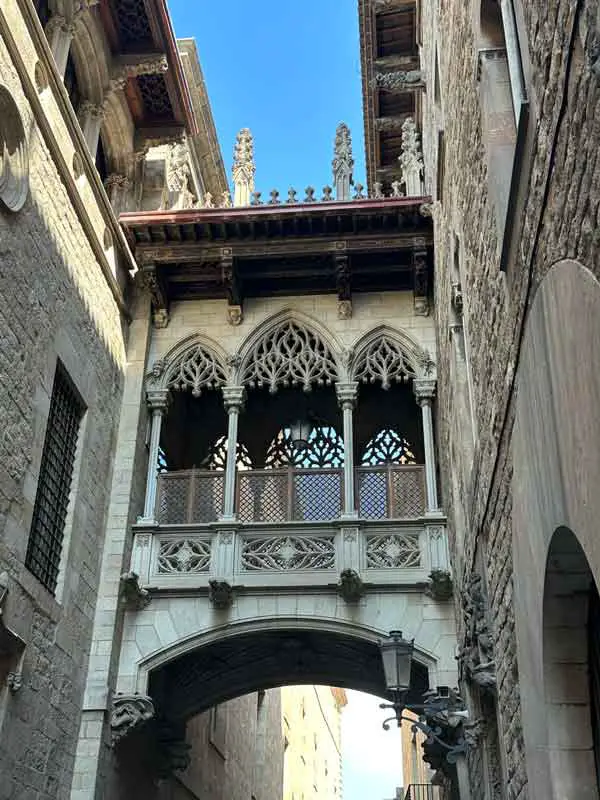
In fact, the Bishop’s Bridge was built this century in 1928 by Joan Rubió i Bellver and is surrounded by another local legend.
Apparently, the architect was so annoyed that his other building plans were rejected by the city that he cursed the bridge with a skull and dagger. You can still see this skull and dagger design underneath the bridge. Don’t look up if you want to avoid bad luck!
5. Ardiaca House (La Casa de l’Ardiaca)
Hidden away in the shadows of Barcelona Cathedral, I was intrigued by the sight of a beautiful marble letterbox unusually decorated with a coat of arms, swallows, and a turtle.
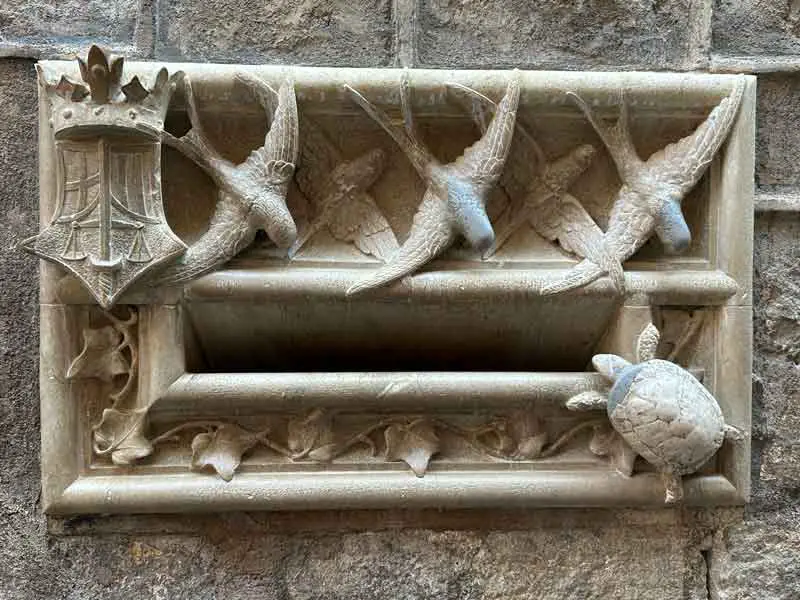
The door of the building was open, so we went inside and found ourselves in a beautiful porticoed courtyard with a working fountain and hanging greenery. Unbeknown to us, we had stumbled upon the Casa de l’Ardiaca quite by chance.
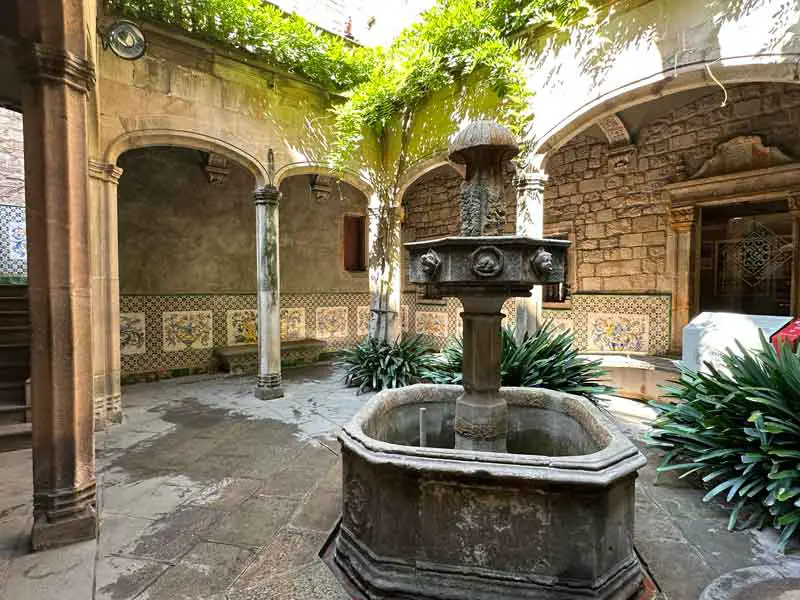
Ardiaca House was once the Archdeacon’s residence but is now home to the city’s historical archives and is free to visit.
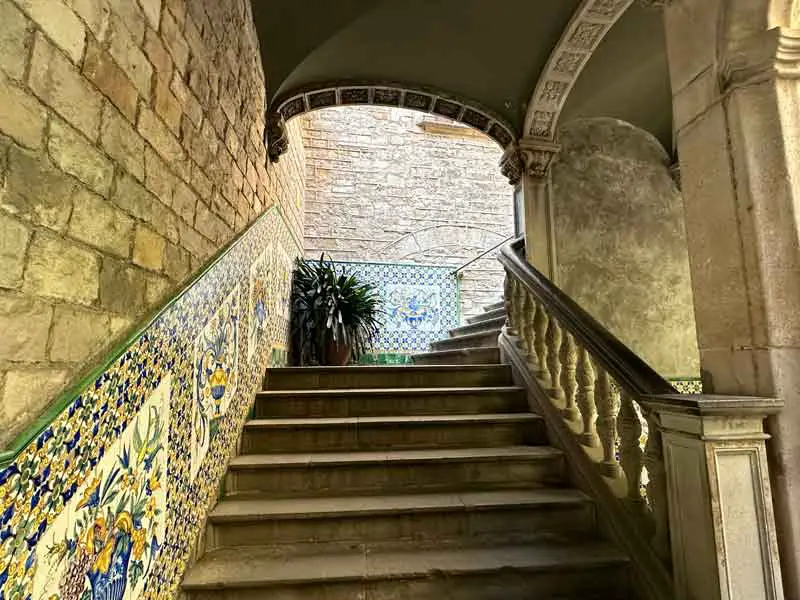
The staircase from the courtyard has beautiful tiling and leads to a small terrace giving a different perspective on Barcelona Cathedral. Ardiaca House was a peaceful place to visit and recover from sightseeing and the crowds.
6. Barcelona Cathedral
Barcelona Cathedral is a stunning Gothic cathedral that was built from the 13th to 15th centuries in the Gothic Quarter of Barcelona.
Unfortunately, we could only admire the cathedral from the outside on the day we visited as we were unaware that timed tickets needed to be purchased in advance!
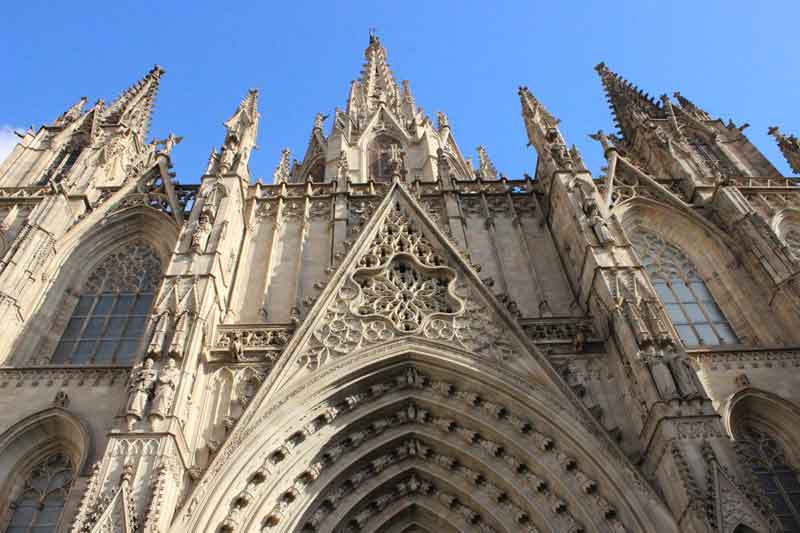
Undoubtedly, Barcelona Cathedral is an imposing building with intricate Gothic details and an almost foreboding feeling. Just by looking at Barcelona Cathedral, you can tell that it is steeped in history, and we can’t wait to go back and discover the inside of this ancient landmark.
If like us, you want to avoid disappointment, click on the link below to secure your tickets in advance!
7. Catalonia Square (Plaça de Catalunya), Barcelona
After a short 10-minute walk from Barcelona Cathedral we found ourselves in Barcelona’s main square, the Plaça de Catalunya or Catalonia Square.

This busy square is the heart of Barcelona and separates the Ciutat Vella and the Eixample. In addition to being a popular meeting place and a lively shopping area, the Plaça de Catalunya has several well-known sculptures and a fountain.
For us, the Plaça de Catalunya also connected with the Passeig de Gràcia which is home to several of Gaudí’s famous buildings in Barcelona that we wanted to visit.
8. Passeig de Gràcia, Barcelona
From the Plaça de Catalunya, we followed the Passeig de Gràcia which is Barcelona’s famous luxury shopping street.

In addition to prestigious high-end shops, many iconic buildings are also situated along the Passeig de Gràcia. These include Gaudí’s Casa Batlló and Casa Milà (La Pedrera) which are UNESCO World Heritage sites, plus the Casa Lleó i Morera.
9. Casa Batlló by Gaudí, Barcelona
Gaudí’s Casa Batlló was built between 1904 and 1906 and is located on the Passeig de Gràcia, a 10-minute walk from the Plaça de Catalunya.
The unique façade of Gaudí’s Casa Battló or the House of Bones (Casa dels ossos) is another building that impresses from the outside even if you don’t have time to visit inside.
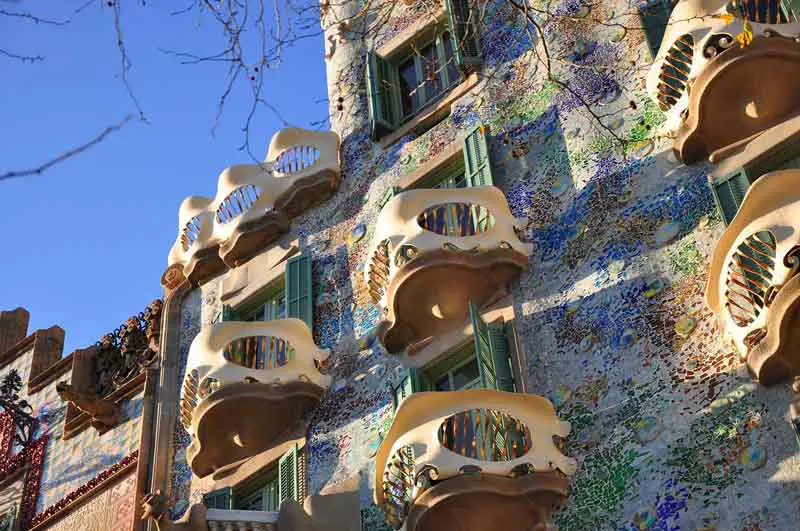
Casa Battló is a masterpiece that ignites your imagination. Gaudí never explained the meaning of his work, so it was fun standing across the street and letting our imaginations run riot with our own interpretations.
At first the marine colours appeared to invoke the colours of the sea. However, on closer inspection perhaps the roof is the scales of a dragon with the hilt of a sword (a cross) plunged into its back? Also, are the balconies the dragon’s bones or theatrical masks?
If you have time to visit the interior museum of this UNESCO World Heritage site, we highly recommend that you consider booking your tickets in advance using the link below.